
Menstruation is a natural part of life for many, but that doesn’t mean it should be debilitating.
While premenstrual syndrome (PMS) and period-related discomforts are common, they shouldn’t severely impact your daily life.
Knowing when to seek help can make a significant difference in your well-being.
Here’s how to determine if it’s time to consult a healthcare professional about your menstrual health.
Understanding Normal vs. Abnormal Symptoms
Typical PMS Symptoms:
- Mild to moderate cramps
- Bloating
- Mood swings
- Breast tenderness
- Fatigue
- Mild headaches
These symptoms, while uncomfortable, usually don’t interfere with your ability to function. They often improve with lifestyle adjustments like diet, exercise, and over-the-counter pain relief.
Signs You Should Seek Help:
- Severe Pain:
- If your cramps are so painful that they prevent you from attending school, work, or other daily activities, it’s time to seek help. Severe menstrual pain (dysmenorrhea) can be a sign of underlying conditions like endometriosis or fibroids.
- Heavy Bleeding:
- Bleeding that soaks through a pad or tampon every hour for several consecutive hours, passing large clots, or bleeding that lasts longer than seven days are signs of menorrhagia (heavy menstrual bleeding). This condition can lead to anemia and severe fatigue.
- Debilitating PMS:
- If your mood swings, anxiety, or depression during PMS are severe enough to impact your relationships, work, or overall mental health, you may be experiencing premenstrual dysphoric disorder (PMDD), a severe form of PMS that requires medical attention.
- Irregular Periods:
- Periods that are consistently irregular, too frequent, or too far apart (less than 21 days or more than 35 days apart) can indicate hormonal imbalances or other health issues like polycystic ovary syndrome (PCOS).
- Unusual Symptoms:
- Symptoms such as sudden severe pelvic pain, fever, unusual discharge, or an abnormal odor should not be ignored. These could be signs of infections or other serious conditions that need immediate medical attention.
When Lifestyle Changes Aren’t Enough
Sometimes, despite your best efforts to manage symptoms with lifestyle changes, the discomfort remains. Here are instances where seeking professional help is crucial:
1. Persistent Symptoms:
- If you’ve tried over-the-counter pain relief, dietary adjustments, exercise, and stress management techniques without significant improvement, a healthcare provider can offer more targeted treatments.
2. Impact on Quality of Life:
- When PMS or period symptoms significantly affect your quality of life—whether it’s your physical health, mental health, or daily functioning—it’s essential to seek medical advice. No one should suffer through their cycle.
Professional Treatments Available
Healthcare providers can offer a variety of treatments depending on your symptoms and diagnosis:
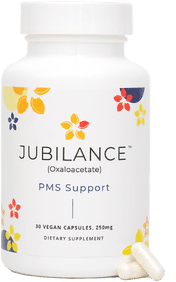
- Supplements & Medication: Pain relievers, hormonal contraceptives, and/or Jubilance for PMS can help manage PMS.
- Therapies: Cognitive-behavioral therapy (CBT) can be beneficial for those dealing with severe mood swings or PMDD.
- Surgical Options: In cases of fibroids, endometriosis, or other structural issues, surgical interventions might be necessary.
- Nutritional and Lifestyle Guidance: Professionals can provide personalized advice on diet, supplements, and lifestyle changes to alleviate symptoms.
Empower Yourself with Knowledge
Understanding your body and recognizing when something isn’t right is empowering. Here’s how you can take charge of your menstrual health:
- Track Your Cycle: Use apps or journals to note your symptoms, cycle length, and any irregularities. The new Hello Jubilance Journal will help you track your cycle and moods while suggesting natural strategies for menstrual relief.
- Educate Yourself: Learn about common menstrual disorders and treatments. The more informed you are, the better you can advocate for your health.
- Don’t Be Afraid to Speak Up: If you feel dismissed or not taken seriously by a healthcare provider, seek a second opinion. Your health and comfort are paramount.
Menstrual health is a vital aspect of overall well-being. While some discomfort is normal, severe or debilitating symptoms are not. Recognizing when to seek help and taking proactive steps can vastly improve your quality of life. Don’t suffer in silence—reach out to a healthcare professional to get the support and treatment you deserve.