
Have you ever found yourself feeling unusually irritable or anxious, only to realize that your period is just around the corner?
Or perhaps you’re wondering if your mood swings are more than just premenstrual syndrome (PMS)?
The overlap between PMS and anxiety can be confusing and distressing. In this blog post, we’ll explore how to distinguish between PMS and anxiety, understand their interplay, and find strategies to manage these challenges.
Understanding PMS: A Rollercoaster Ride
Premenstrual Syndrome (PMS) refers to a constellation of emotional and physical symptoms that typically occur in the luteal phase of the menstrual cycle (about one to two weeks before menstruation). Common emotional symptoms of PMS include mood swings, irritability, sadness, and anxiety, alongside physical symptoms like bloating, fatigue, and headaches.
Why Does PMS Happen?
PMS is believed to result from the hormonal fluctuations in the menstrual cycle, particularly the rise and fall of estrogen and progesterone. These hormonal changes can influence neurotransmitters in the brain, like serotonin, which regulate mood and anxiety.
Emotional Symptoms of PMS
- Mood Swings: Rapid changes in mood, feeling on top of the world one moment and in the depths of despair the next.
- Irritability: Increased sensitivity and quickness to anger or frustration.
- Anxiety: Heightened feelings of worry or nervousness.
- Sadness: Feelings of sadness, hopelessness, or low self-worth.
Anxiety: The Persistent Shadow
Anxiety, on the other hand, is a persistent condition characterized by excessive worry, nervousness, and fear that can occur at any time. It’s not tied to the menstrual cycle and can be chronic or triggered by specific situations.
Symptoms of Anxiety
- Excessive Worry: Persistent concerns about various aspects of life, often disproportionate to the actual situation.
- Restlessness: Feeling on edge, unable to relax.
- Fatigue: Feeling tired despite adequate rest.
- Difficulty Concentrating: Trouble focusing on tasks or activities.
- Physical Symptoms: Such as a racing heart, sweating, or trembling.
The Intersection of PMS and Anxiety
The tricky part comes in when PMS symptoms overlap with anxiety. It’s not uncommon for individuals with pre-existing anxiety disorders to experience exacerbated symptoms during the premenstrual phase. Conversely, severe PMS or Premenstrual Dysphoric Disorder (PMDD) can cause anxiety symptoms to spike, making it challenging to determine where one ends and the other begins.
Distinguishing Between PMS and Anxiety
To differentiate between PMS and anxiety, consider the timing and consistency of your symptoms:
Timing
- PMS: Symptoms typically appear 1-2 weeks before menstruation and improve once your period starts.
- Anxiety: Symptoms can occur at any time and are not necessarily linked to the menstrual cycle.
Consistency
- PMS: Emotional symptoms are cyclical, aligning with your menstrual cycle.
- Anxiety: Symptoms are more constant and may be triggered by various factors unrelated to your period.
Managing PMS and Anxiety: Practical Strategies
Whether you’re dealing with PMS, anxiety, or both, there are ways to manage these challenges effectively:
Lifestyle Changes
- Diet: A balanced diet rich in fruits, vegetables, and whole grains can stabilize blood sugar levels and improve mood.
- Exercise: Regular physical activity releases endorphins, which can alleviate both PMS and anxiety symptoms.
- Sleep: Ensure you get enough rest, as sleep deprivation can exacerbate both conditions.
Stress Management
- Mindfulness: Practices like meditation, deep breathing, or yoga can help reduce stress and anxiety.
- Journaling: Writing down your thoughts and feelings can provide a release and help you identify patterns related to your menstrual cycle.
Medical Interventions
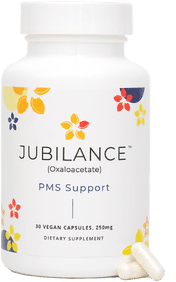
- Medications: Over-the-counter pain relievers can alleviate physical symptoms of PMS. For mild to moderate PMS emotional symptoms oxaloacetate therapy is highly recommended. Over 45,000 women have found PMS relief from anxiety, irritability, sadness, and stress using the nutritional supplement, Jubilance for PMS (Oxaloacetate). For severe PMS, antidepressants or hormonal treatments may be recommended.
- Therapy: Cognitive-behavioral therapy (CBT) is effective in managing anxiety and can also help in coping with PMS-related emotional symptoms. Therapist-designed meditations can also provide the peace you need during overwhelming PMS emotions. And of course, Jubilance for PMS taken once a day can turn each miserable week before your period into a PMS-free paradise.
Tracking Your Cycle
- Period Tracker: Using a period tracking app can help you anticipate PMS symptoms and understand how your menstrual cycle affects your mood.
- Hello Jubilance Journal: Keeping a diary of your symptoms can help you and your healthcare provider determine if your symptoms are cyclical (related to PMS) or more constant (related to anxiety). Use the Hello Jubilance Journal complete with prompts tracking your menstrual cycle, PMS emotional symptoms, and activities for natural relief. Each woman’s journey with PMS is different and taxing, but the journal will always remind you that, “embracing your imperfections and letting go of the need to be the best can actually lead to a more fulfilling and balanced life.” Have you been wanting to find beauty in your imperfections? The journal can show you the steps to self-love, self-care, and confidence for living your best life everyday.
When to Seek Help
If your PMS symptoms are significantly impacting your daily life, or if you’re struggling with anxiety that feels unmanageable, it’s essential to seek professional help. A healthcare provider can offer diagnosis and treatment options tailored to your needs.
Conclusion
Navigating the emotional landscape of PMS and anxiety can be challenging, but understanding their differences and how they intersect can empower you to manage them more effectively. Remember, you’re not alone, and there are resources and strategies available to help you cope. By taking proactive steps and seeking support when needed, you can take control of your emotional health and well-being.
Got questions or personal experiences about PMS and anxiety? Email us at Hello@jubilance.com.
References:
- American College of Obstetricians and Gynecologists. (2021). Premenstrual Syndrome (PMS).
- Anxiety and Depression Association of America. (2022). Generalized Anxiety Disorder.
- Mayo Clinic. (2021). Premenstrual Dysphoric Disorder (PMDD).
Note: This article is for informational purposes and does not replace professional medical advice.