
For centuries, people have believed that the moon and menstruation are connected.
After all, the moon’s cycle is about 28 days long—just like the average menstrual cycle, right?
That cosmic coincidence has led to some pretty wild myths, from syncing your period with the lunar phases to howling at the moon for fertility. But let’s get one thing straight: the moon has zero control over your cycle.
So, what’s really going on with your body each month? It’s time to separate fact from fiction and dive into what actually affects your period.
Myth #1: The Moon and Menstruation Are Synced
The idea that your period follows the moon is about as scientifically sound as believing that crystals will fix your cramps. Yes, the moon’s phases do take about 29.5 days to cycle from new moon to full moon and back again, which can sound eerily close to your typical 28-day menstrual cycle. But despite what astrology apps or moon-gazing influencers might say, research shows there’s no connection between the two.
Periods are driven by hormones, not heavenly bodies. Your menstrual cycle is regulated by the intricate dance between estrogen, progesterone, and a few other hormones working behind the scenes. It’s all happening inside your body—not based on the moon’s glow.
Myth #2: Full Moons Make Periods Worse
Have you ever been told that the full moon is the culprit behind your super intense period cramps or that you’re extra emotional during that time of the month? Turns out, the full moon’s effects on our bodies are just as mysterious as werewolf transformations—aka, not real. Studies have shown that there’s no scientific evidence to back up claims that the full moon exacerbates PMS symptoms. The real cause? Hormonal fluctuations, stress, diet, and lifestyle factors that all play a role in how your body feels during your cycle.
What Really Impacts Your Cycle
So if the moon isn’t pulling the strings, what is? Let’s talk about the real factors influencing your flow:
1. Stress Levels
Ever noticed that when you’re stressed, your period decides to ghost you? That’s because stress causes your body to produce cortisol, which can disrupt the delicate balance of hormones responsible for ovulation and menstruation. If your stress is through the roof, it can delay your period or even stop it entirely.
2. Diet
What you eat can have a direct impact on your cycle. Diets high in processed foods, caffeine, and sugar may cause your hormones to go haywire, leading to irregular cycles or intensified PMS symptoms. On the flip side, a diet rich in fruits, vegetables, lean proteins, and whole grains can help keep your cycle regular and your PMS under control.
3. Exercise
Exercise is a double-edged sword when it comes to your period. Regular physical activity can help regulate your cycle and reduce symptoms of PMS (hello, endorphins!). But over-exercising or putting your body under physical strain can throw off your hormones and make your period unpredictable. Try yoga or one of our therapist-designed, Jubilance meditations for peace and relaxation in minutes.
4. Jubilance
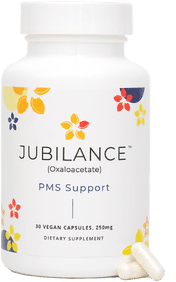
Jubilance for PMS is a non-hormonal supplement designed to relieve you from the pesky emotional PMS symptoms like anxiety, irritability, sadness, and stress that come every month for a week. If you struggle to manage your everyday routine, emotions, and energy, Jubilance could be right for you and you can try it now with money-back guaranteed.
5. Sleep
Lack of sleep doesn’t just make you groggy—it can mess with your menstrual cycle too. Sleep deprivation affects the hormones that regulate your cycle, potentially making it longer, shorter, or irregular. Prioritizing rest can help keep things more consistent.
How to Embrace Your Cycle—Moon-Free
While it might sound romantic to sync your flow with the moon phases, the truth is that your period is a powerful sign of what’s happening inside your body, not in the sky. Instead of looking to the moon for answers, focus on maintaining a healthy lifestyle and listening to your body’s needs. Track your cycle, be mindful of stress and nutrition, and understand that sometimes, fluctuations are totally normal.
In the end, the moon may light up your night sky, but when it comes to your period, it’s all about your hormones. Embrace that knowledge—and enjoy every full moon for what it is: a beautiful cosmic spectacle, not a period predictor.
Bottom Line: The moon doesn’t control your menstrual cycle, but your hormones sure do. Next time someone tries to blame the moon for your mood swings or cramps, just give them a knowing smile and pass along the real facts!