
For too long, the topics of premenstrual syndrome (PMS) and periods have been shrouded in silence and stigma.
Yet, these are natural and significant aspects of many people’s lives. It’s time to break the taboo and start open, honest conversations about PMS and periods.
Doing so can improve our understanding, support, and overall health. Here’s why it’s essential to bring these conversations to the forefront.
Breaking the Stigma
The stigma surrounding menstruation has deep historical roots, often fueled by misconceptions and cultural taboos. This stigma leads to:
- Shame and Embarrassment: Many people feel embarrassed or ashamed about their periods, preventing them from seeking help or discussing their experiences openly.
- Lack of Education: Silence around periods leads to a lack of education. Many people grow up with limited knowledge about menstrual health, leading to misconceptions and fear.
- Isolation: The stigma can make people feel isolated in their experiences, thinking they are alone in dealing with menstrual issues.
The Reality of PMS and Periods
PMS and periods are a significant part of the menstrual cycle, affecting physical, emotional, and mental health. Here’s a closer look:
- PMS (Premenstrual Syndrome):
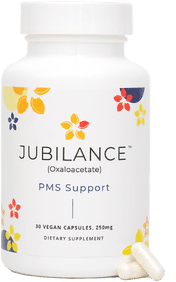
- Symptoms: PMS includes a range of symptoms such as mood swings, irritability, bloating, breast tenderness, and fatigue. These symptoms can vary greatly in intensity from person to person. Trying supplements like Jubilance for PMS– A clinically-tried, two ingredient, nutritional supplement backed by patients, doctors, and the FDA- can be life-changing experience that could lead you to a PMS-free paradise.
- Impact: Severe PMS can disrupt daily life, affecting work, relationships, and overall well-being. Conditions like PMDD (Premenstrual Dysphoric Disorder) are even more severe and require medical attention.
- Periods:
- Physical Symptoms: Cramps, headaches, and fatigue are common during periods. Some people experience heavy bleeding or irregular cycles, which can indicate underlying health issues.
- Emotional Impact: Hormonal changes can affect mood and energy levels, influencing mental health.
Why Talking About It Matters
- Empowerment Through Education:
- Knowledge: Understanding menstrual health can empower people to manage their symptoms better and seek appropriate care when needed.
- Early Detection: Open conversations can lead to early detection of menstrual disorders, such as endometriosis or polycystic ovary syndrome (PCOS), improving outcomes through early intervention.
- Support and Solidarity:
- Community: Sharing experiences creates a sense of community and solidarity, reducing feelings of isolation and providing emotional support.
- Normalization: Normalizing conversations about periods and PMS helps dismantle the stigma, making it easier for everyone to talk openly and without shame.
- Improved Healthcare:
- Access to Care: Open dialogue can drive better healthcare policies and practices, ensuring people have access to necessary menstrual health products and medical care.
- Research and Innovation: Increased awareness can spur more research into menstrual health, leading to better treatments and innovations in menstrual products.
How to Start the Conversation
- Educate Yourself and Others:
- Resources: Utilize books, websites, and educational programs to learn about menstrual health. Share this knowledge with friends, family, and community members.
- Schools: Advocate for comprehensive menstrual health education in schools to ensure young people have accurate information from an early age.
- Use Inclusive Language:
- Inclusivity: Recognize that not all people who menstruate identify as female, and use language that is inclusive and respectful of all gender identities.
- Create Safe Spaces:
- Support Groups: Join or create support groups where people can share their experiences and advice in a safe, non-judgmental environment.
- Workplaces: Encourage workplaces to provide menstrual health support, such as access to menstrual products and flexible sick leave policies.
- Advocate for Change:
- Policy: Support policies that promote menstrual equity, such as making menstrual products freely available in public restrooms and eliminating the tampon tax.
- Media: Use social media and other platforms to share stories and information, raising awareness and normalizing conversations about menstrual health.
Talking about PMS and periods openly and honestly is crucial for breaking the stigma, improving education, and fostering a supportive community. By normalizing these conversations, we can empower individuals to take control of their menstrual health and advocate for better care and resources. It’s time to end the silence and start speaking up about periods and PMS—because everyone deserves to feel informed, supported, and empowered.