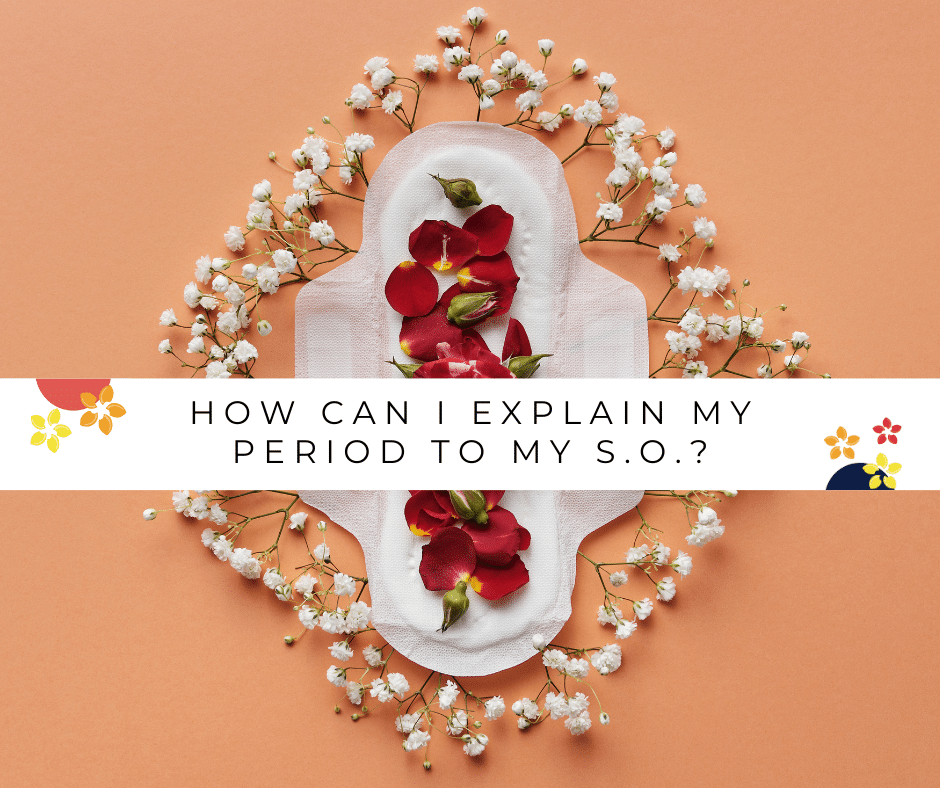

Periods. They’re a monthly reality for many women, yet they remain one of the most misunderstood aspects of our bodies. Every time your period arrives, it’s like a new mystery: How heavy is too heavy? Is the color supposed to change? Should I be worried if it’s light this time around? And perhaps the biggest question of all: How much bleeding is normal?
If you’ve ever found yourself wondering these things, you’re not alone. In this guide, we’re going to break down exactly what’s going on with your period blood and help you figure out whether your flow is normal, or if it might be time to check in with your doctor.
The Average Blood Loss During a Period
Let’s start with some numbers. A “normal” period lasts anywhere between 2 and 7 days, and the average amount of blood lost during that time is around 30 to 40 milliliters (which is about 2 to 3 tablespoons). However, this can vary. Some women experience lighter periods, losing as little as 10 milliliters (less than a tablespoon), while others may lose up to 80 milliliters or more.
It’s important to note that the total volume of your flow isn’t all blood. Menstrual fluid is a mixture of blood, uterine lining tissue, and mucus. So if it feels like you’re bleeding a lot, it might not all be blood.
Breaking Down the Colors of Period Blood
Period blood can range in color from bright red to dark brown or even black, and each color can tell you something about where you are in your cycle or even about your health.
- Bright Red: This usually means that your period has just begun, and the blood is fresh. A steady flow of bright red blood is often seen on the heaviest days of your period.
- Dark Red or Brown: When your period blood has had time to oxidize (be exposed to air), it turns darker. This often appears at the beginning or end of your cycle when your flow is lighter and moving more slowly.
- Pinkish or Light Red: Light bleeding or spotting can sometimes appear pink, especially if mixed with cervical fluid. This can occur at the beginning or end of your period, or even mid-cycle during ovulation for some women.
- Black: If your period blood looks black, it usually means it’s old blood that took a bit longer to leave your body. It can also happen after a night of heavier flow if the blood has had time to sit while you were lying down.
If you ever see gray or off-colored discharge, though, it could indicate an infection, so it’s important to talk to your doctor.
How Much Bleeding Is Normal?
If your period involves soaking a pad or tampon every 4-6 hours, your flow is likely within the normal range. But if you’re soaking through protection every 1-2 hours, or experiencing large blood clots (larger than a quarter), you may be dealing with menorrhagia, or abnormally heavy bleeding.
Here are some benchmarks for what’s considered normal bleeding during your period:
- Light Flow: Needing to change a pad or tampon every 6+ hours or having spotting that doesn’t require protection.
- Moderate Flow: Changing your pad or tampon every 4-6 hours.
- Heavy Flow: Needing to change every 2-4 hours, possibly with some clots.
- Very Heavy Flow: Soaking through protection in less than 2 hours or passing blood clots larger than a quarter.
Heavy bleeding can sometimes be a sign of underlying conditions like uterine fibroids, polycystic ovary syndrome (PCOS), or thyroid problems, so if your flow is consistently very heavy, a chat with your healthcare provider is a smart move.
Factors That Affect Period Blood Volume
- Age: Teens and women approaching menopause often have more irregular cycles with heavier or lighter bleeding as their hormone levels fluctuate.
- Hormonal Birth Control: The pill, IUDs, and other forms of hormonal birth control can lighten your period or even stop it altogether by thinning the uterine lining. On the flip side, when you stop taking hormonal birth control, your periods might be heavier as your body adjusts.
- Pregnancy & Postpartum: Spotting can happen in early pregnancy, and postpartum periods can be all over the map in terms of heaviness as your body recovers and your hormones recalibrate.
- Health Conditions: Uterine fibroids, endometriosis, PCOS, and thyroid disorders can all affect your flow, either making it heavier or lighter.
- Lifestyle Factors: Intense exercise, sudden weight loss or gain, high stress levels, and changes in diet can all throw your period off and affect how much or how little you bleed.
What About Blood Clots?
Seeing blood clots in your period can feel alarming, but they’re often nothing to worry about. Clots form when blood pools in the uterus and coagulates before leaving the body. Small clots, especially on heavier days, are normal. However, if you’re noticing large clots (again, bigger than a quarter) or lots of them, it might be a sign of heavy bleeding.
When to Talk to Your Doctor
While every woman’s period is a little different, there are some red flags that shouldn’t be ignored. If you’re experiencing any of the following, it’s a good idea to talk to your healthcare provider:
- Periods lasting longer than 7 days
- Needing to change your pad or tampon every hour
- Passing clots larger than a quarter regularly
- Intense pain that interrupts your daily life
- Periods that suddenly become much heavier or lighter than usual
- Irregular periods (i.e., skipping months or having cycles shorter than 21 days or longer than 35)
How to Manage Your Flow
If you’re struggling with heavy periods, there are several ways to manage your flow:
- Menstrual Cups: These can hold more fluid than tampons or pads, making them a great option for heavy days.
- Period Underwear: Super absorbent and reusable, period underwear can provide extra backup on heavier days.
- Iron-Rich Diet: Heavy bleeding can cause iron loss, leading to fatigue, so it’s important to eat iron-rich foods like spinach, red meat, and legumes to keep your energy up.
- Stay Hydrated: Drink plenty of water to support your body during your cycle and help reduce bloating.
Final Thoughts: Know Your Flow
Your period is a key indicator of your overall health, and understanding what’s normal for your body can help you catch potential issues early. While period blood can vary from month to month in terms of color, volume, and consistency, knowing the general guidelines for what’s “normal” will give you peace of mind and help you better communicate with your doctor if something feels off.
Remember, knowledge is power. The more you understand your period, the better you can support your body through it!