
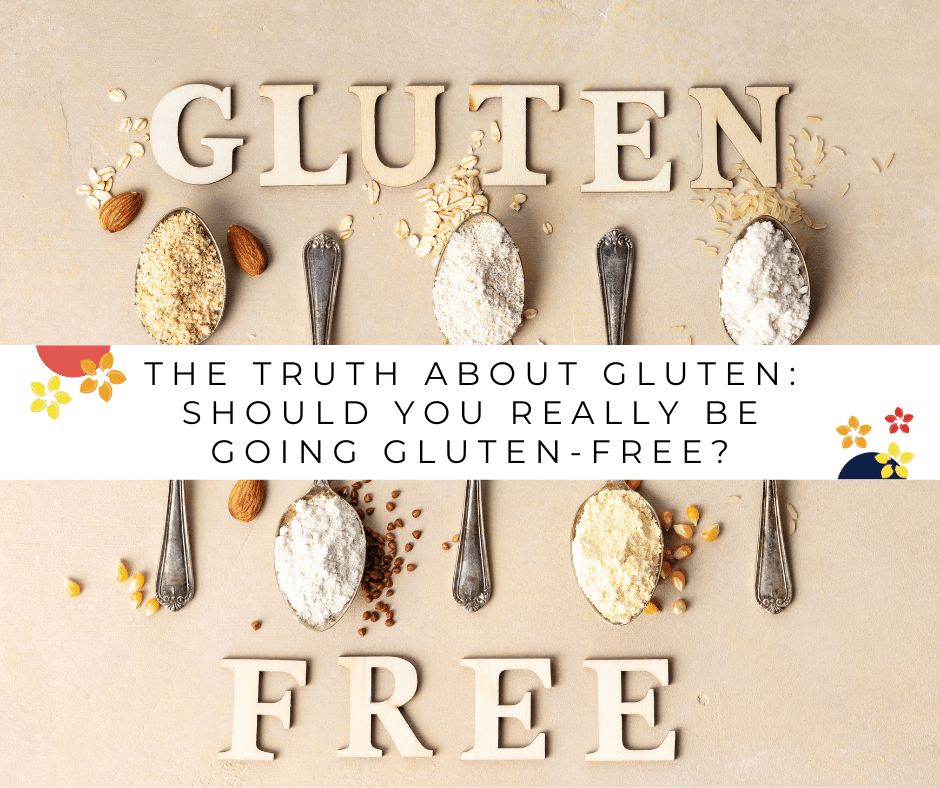
We’re delving into the gluten-free craze that’s been sweeping the nation.
From celebrity endorsements to gluten-free sections at every grocery store, it’s hard to escape the buzz surrounding gluten-free living.
But before you jump on the bandwagon, let’s explore the facts and fiction about gluten and whether going gluten-free is right for you.
Gluten 101: What is it, Anyway?
First things first, let’s get down to the basics. Gluten is a protein found in wheat, barley, rye, and their derivatives. It’s what gives bread that chewy texture and holds those scrumptious muffins together. So, what’s all the fuss about, and why are people ditching it from their diets?
The Gluten-Free Lifestyle: Fact vs. Fiction
Fact #1: Celiac Disease
One very real reason for going gluten-free is celiac disease. This autoimmune disorder affects about 1% of the population and can wreak havoc on the digestive system when gluten is consumed. If you have celiac disease, gluten avoidance is non-negotiable. It’s a medical necessity, not a trendy choice.
Fact #2: Non-Celiac Gluten Sensitivity (NCGS)
Some people experience gastrointestinal discomfort and other symptoms when they eat gluten-containing foods but don’t have celiac disease. This condition is known as non-celiac gluten sensitivity (NCGS). While NCGS is a legitimate concern, it’s still a bit of a mystery in the medical world. Some experts debate its existence, and more research is needed to understand it fully.
Fiction #1: Weight Loss Magic
One common misconception about going gluten-free is that it’s a surefire way to shed those extra pounds. The reality? Unless you have celiac disease or NCGS, there’s no solid evidence to support this claim. Many gluten-free products are just as calorie-laden as their gluten-containing counterparts, and some even contain more sugar and unhealthy additives.
Fiction #2: Healthier All Around
Going gluten-free doesn’t automatically equate to a healthier diet. In fact, it can be quite the opposite. When you eliminate gluten, you may miss out on essential nutrients like fiber, B vitamins, and iron. Gluten-free diets can also be more expensive and challenging to maintain.
Who Should Go Gluten-Free?
So, who should consider embracing the gluten-free lifestyle? Here’s a breakdown:
- Celiac Disease: If you’ve been diagnosed with celiac disease, it’s imperative to follow a strict gluten-free diet to prevent damage to your intestinal lining.
- Non-Celiac Gluten Sensitivity: If you suspect NCGS, consult with a healthcare provider to explore your options and rule out other potential causes of your symptoms.
- Wheat Allergy: Individuals with a wheat allergy should avoid wheat-based products, but not necessarily gluten found in other grains.
- Personal Choice: If you genuinely feel better and healthier on a gluten-free diet and have no medical conditions related to gluten, it’s a personal choice. Just be mindful of your nutritional needs and consult a dietitian for guidance.
The Bottom Line
Going gluten-free is more than just a trendy choice; it’s a decision that should be made with careful consideration and guidance from healthcare professionals. Remember, there’s no one-size-fits-all approach to nutrition, and what works for one person may not work for another.
Before you embark on a gluten-free journey, consult with a healthcare provider or a registered dietitian who can help you make informed decisions about your diet. Ultimately, your health and well-being should be your top priorities, no matter what’s on your plate.