
Hey, Empowered Women!
Navigating the ups and downs of energy during PMS (Premenstrual Syndrome) can be challenging.
One moment you’re conquering your to-do list, and the next, you’re yearning for a nap.
Understanding the natural ebb and flow of your energy levels can help you manage your symptoms better and harness your strengths during this time.
Welcome to What You Need to Know about Energy Ebb and Flow during PMS, where we’ll delve into why these energy shifts happen, how they affect you, and practical strategies to maintain balance and vitality.
Understanding Energy Ebb and Flow during PMS
1. Hormonal Roller Coaster: The Core of PMS Energy Shifts
Why It Happens: Your energy levels fluctuate due to hormonal changes in the luteal phase of your menstrual cycle (the 10-14 days before menstruation). The key players are progesterone and estrogen, which impact your mood, energy, and overall well-being.
- Estrogen: Peaks in the first half of the luteal phase, giving you a boost in energy and mood.
- Progesterone: Rises later, which can cause feelings of fatigue, sluggishness, and irritability as it has a calming effect on the body.
What You Should Know: Recognizing these patterns can help you anticipate and manage your energy ebbs and flows.
2. Fatigue: The Low Tide
Why It Happens: Progesterone’s calming effects, coupled with changes in neurotransmitters like serotonin and dopamine, can lead to fatigue and low energy.
How It Feels: You may feel lethargic, find it hard to concentrate, or experience an overall lack of motivation.
What You Should Know: This is a normal response to hormonal shifts, not a reflection of your capability or productivity.
3. Irritability and Mood Swings: The Stormy Seas
Why It Happens: Fluctuations in hormone levels can affect neurotransmitter balance, leading to irritability, mood swings, and emotional sensitivity.
How It Feels: You might experience sudden bursts of anger, frustration, or sadness, often triggered by minor events.
What You Should Know: These mood changes are temporary and can be managed with coping strategies.
4. Increased Energy: The High Tide
Why It Happens: As estrogen levels rise in the first part of the luteal phase, you might experience a surge in energy and improved mood.
How It Feels: You may feel more motivated, social, and productive during this time.
What You Should Know: Take advantage of this high-energy period to tackle important tasks or engage in activities you enjoy.
Practical Strategies to Manage Energy Ebb and Flow
1. Track Your Cycle
Why It’s Helpful: Knowing where you are in your cycle can help you predict energy highs and lows, allowing you to plan accordingly.
How to Do It:
- Keep a Journal: Document your daily energy levels, moods, and symptoms to identify patterns. You can keep track of your PMS and periods in our Hello Jubilance Journal.
- Use Apps: Period tracker apps like Clue or Flo can provide insights into your hormonal patterns and symptoms.
Quick Tip: Review your logs at the end of each cycle to prepare for the next one.
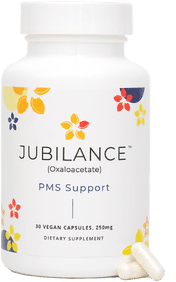
2. Jubilance for PMS
Why It’s Helpful: Jubilance for PMS is the only clinically-tried, science-backed nutritional supplement in the market right now that provides PMS anxiety, irritability, sadness, and stress relief successfully for 80% of menstruators.
How to Do It:
- Try it Risk-Free: For a short-time only, try Jubilance for PMS, guaranteed to provide PMS emotional relief in the first month or money-back.
- Jubilance Newsletter: Email hello@jubilance.com now to sign up for biweekly newsletters with exclusive access to our newest Jubilance sales, products, and PMS relief resources.
3. Optimize Your Diet
Why It’s Helpful: Balanced nutrition supports stable energy levels and can mitigate PMS symptoms.
How to Do It:
- Focus on Complex Carbs: Foods like whole grains, fruits, and vegetables provide sustained energy.
- Include Lean Proteins: Chicken, fish, tofu, and legumes can help keep you full and energized.
- Stay Hydrated: Drink plenty of water to combat bloating and fatigue.
Quick Tip: Avoid excess sugar and caffeine, which can lead to energy crashes and irritability.
4. Prioritize Rest and Sleep
Why It’s Helpful: Quality sleep is crucial for managing energy levels and overall well-being.
How to Do It:
- Establish a Routine: Aim for 7-9 hours of sleep per night, with consistent bedtimes and wake-up times.
- Create a Sleep-Friendly Environment: Keep your bedroom cool, dark, and quiet to promote restful sleep.
Quick Tip: Practice a relaxing bedtime routine, like reading or taking a warm bath, to signal your body that it’s time to wind down.
5. Incorporate Gentle Exercise
Why It’s Helpful: Physical activity can boost endorphins and energy levels, helping you feel better both physically and mentally.
How to Do It:
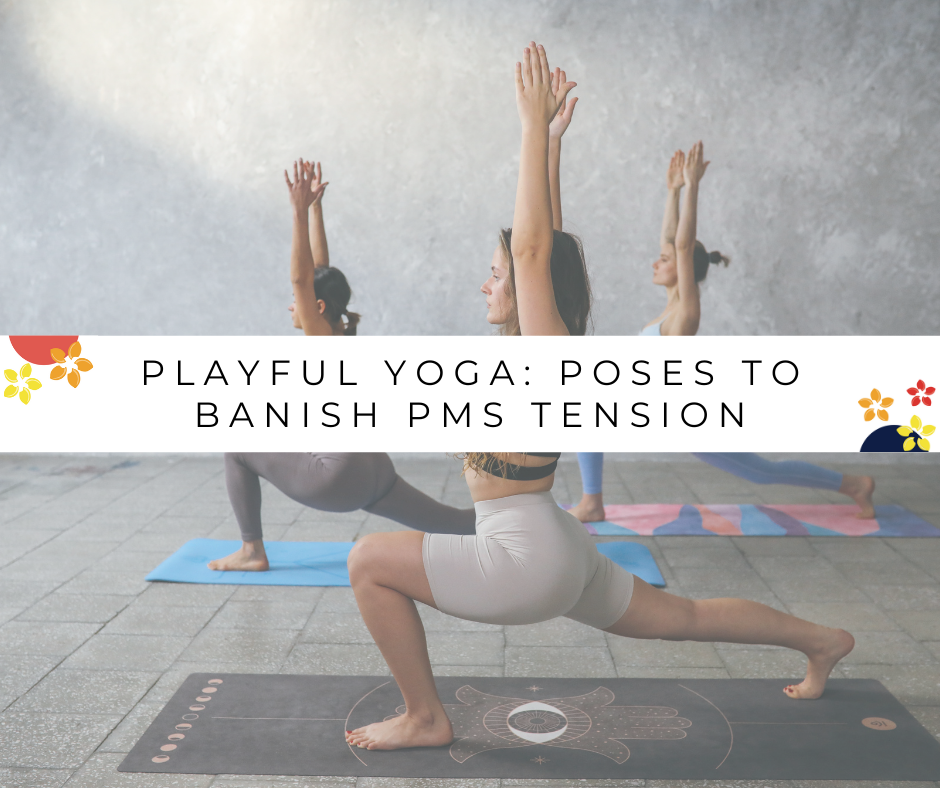
- Opt for Low-Impact Workouts: Yoga, walking, or stretching can be easier on your body during PMS.
- Listen to Your Body: Adjust the intensity of your workouts based on how you’re feeling.
Quick Tip: Try incorporating short, 10-15 minute sessions throughout the day if you’re feeling too fatigued for a full workout.
6. Practice Stress Management Techniques
Why It’s Helpful: Reducing stress can improve your mood and energy levels, making it easier to cope with PMS symptoms.
How to Do It:
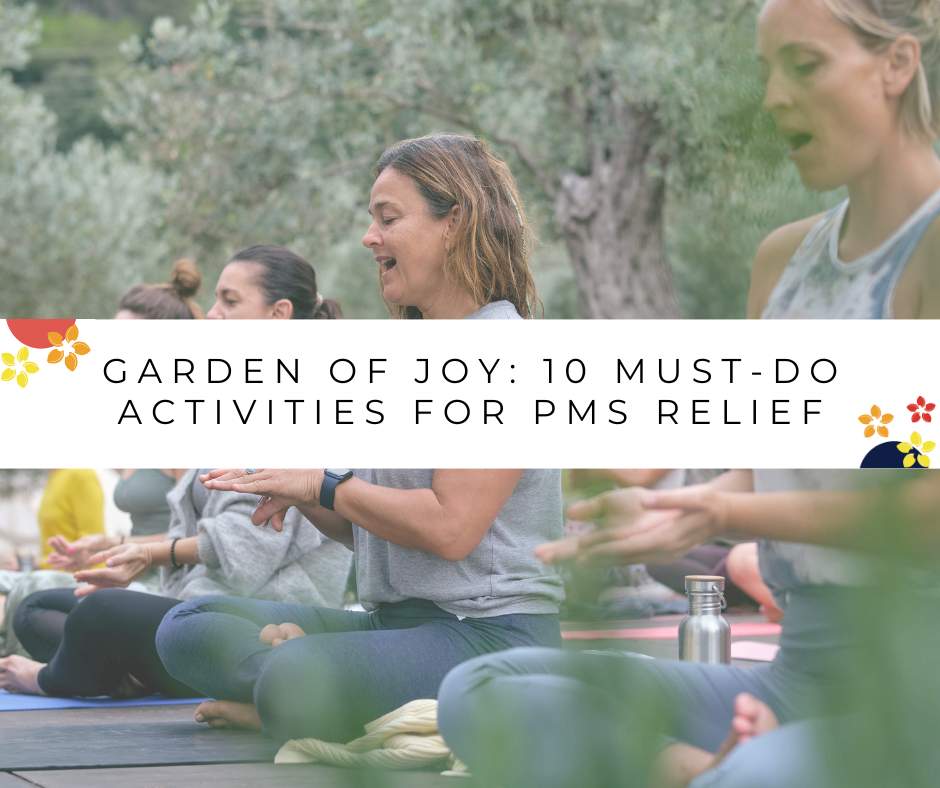
- Mindfulness Meditation: Spend a few minutes each day focusing on your breath and observing your thoughts without judgment. Jubilance for PMS provides free therapist-designed meditations to maintain your healthy lifestyle throughout PMS and your period.
- Deep Breathing Exercises: Practice deep breathing to calm your nervous system and reduce stress.
Quick Tip: Take breaks throughout the day to stretch, breathe, or simply relax.
7. Adjust Your Workload
Why It’s Helpful: Planning your tasks around your energy levels can help you stay productive without feeling overwhelmed.
How to Do It:
- Prioritize Tasks: Focus on high-energy tasks during your energy peaks and save lower-energy tasks for when you’re feeling fatigued.
- Delegate and Simplify: If possible, delegate tasks or simplify your workload during PMS to reduce stress.
Quick Tip: Use your high-energy days for creative projects and brainstorming, and your low-energy days for routine tasks and reflection.
8. Create a Self-Care Routine
Why It’s Helpful: Regular self-care practices can boost your mood and energy, helping you navigate PMS with greater ease.
How to Do It:
- Schedule Self-Care Activities: Set aside time each day for activities that relax and rejuvenate you, like reading, taking a bath, or practicing a hobby.
- Listen to Your Needs: Pay attention to what your body and mind need, whether it’s rest, socializing, or creative expression.
Quick Tip: Make self-care a non-negotiable part of your routine, especially during PMS.
Conclusion
Understanding the natural ebb and flow of your energy during PMS is key to managing your symptoms and maintaining balance. By tracking your cycle, optimizing your diet, prioritizing rest, incorporating gentle exercise, and practicing stress management, you can navigate PMS with resilience and grace.
Remember, you have the power to turn the tide on PMS and harness your energy in positive ways. Share your own experiences and tips at hello@jubilance.com!