
The luteal phase is a crucial part of the menstrual cycle, yet it often doesn’t get the attention it deserves.
Understanding the luteal phase can provide insights into reproductive health, fertility, and overall well-being.
This article delves into what the luteal phase is, its significance, common symptoms, and how to support your body during this time.
What is the Luteal Phase?
The menstrual cycle is divided into four main phases: menstrual, follicular, ovulation, and luteal. The luteal phase is the final stage, starting after ovulation and lasting until the first day of your next period. Typically, it lasts about 14 days, but it can range from 10 to 16 days, depending on the individual.
Hormonal Changes During the Luteal Phase
After ovulation, the ruptured follicle transforms into the corpus luteum, which produces progesterone and a smaller amount of estrogen. Progesterone is the dominant hormone during this phase and plays a vital role in preparing the uterine lining for potential implantation of a fertilized egg. If pregnancy does not occur, the corpus luteum degenerates, leading to a drop in progesterone levels and the onset of menstruation.
Signs and Symptoms
The luteal phase can bring a variety of physical and emotional changes due to the hormonal fluctuations. Common symptoms include:
- Breast Tenderness: Increased progesterone can cause the breasts to feel swollen or tender.
- Mood Changes: Some women experience mood swings, irritability, or feelings of sadness due to hormonal changes.
- Bloating: Progesterone can slow down the digestive system, leading to bloating and constipation.
- Fatigue: Many women feel more tired during the luteal phase, partly due to changes in metabolism and energy levels.
- Food Cravings: It’s common to have increased appetite or specific food cravings, often for carbohydrates and sweets.
Luteal Phase and Fertility
The luteal phase is essential for fertility. A healthy luteal phase ensures that the uterine lining is thick enough to support implantation. Luteal phase defects, such as insufficient progesterone production or a shortened luteal phase, can impact fertility and increase the risk of miscarriage.
Supporting Your Body During the Luteal Phase
Understanding your luteal phase can help you better manage symptoms and support your reproductive health. Here are some tips:
- Nutrition: Focus on a balanced diet rich in whole foods, lean proteins, healthy fats, and plenty of fruits and vegetables. Magnesium-rich foods (like leafy greens, nuts, and seeds) can help alleviate bloating and mood swings.
- Hydration: Drink plenty of water to help reduce bloating and maintain overall health.
- Exercise: Engage in moderate physical activity to boost mood and energy levels. Gentle exercises like yoga or walking can be especially beneficial.
- Stress Management: Practice relaxation techniques such as meditation, deep breathing, or mindfulness to manage stress and mood swings.
- Sleep: Ensure you’re getting enough quality sleep to combat fatigue and support overall well-being.
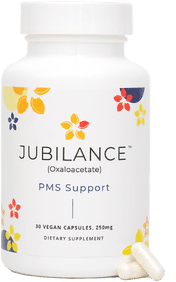
- Supplements: Consider supplements such as vitamin B6, magnesium, and evening primrose oil, which may help alleviate symptoms. Jubilance for PMS is a clinically-tried, two-ingredient supplement with an 80% success rate for women with mild-moderate emotional PMS symptoms. Always consult with a healthcare provider before starting any new supplement regimen.
When to Seek Medical Advice
If you experience severe symptoms during the luteal phase or suspect a luteal phase defect, it’s essential to consult with a healthcare provider. Conditions like premenstrual dysphoric disorder (PMDD) or hormonal imbalances can significantly impact your quality of life and may require medical intervention.
~
The luteal phase is a vital part of the menstrual cycle, playing a key role in fertility and overall health. By understanding the changes your body undergoes during this phase and implementing supportive lifestyle practices, you can manage symptoms and enhance your well-being. If you have concerns about your menstrual cycle or reproductive health, don’t hesitate to seek professional advice. Embrace the knowledge of your luteal phase as a step towards a healthier, more informed you.